Blueprint Layer
Defines platform intent through reusable blueprints, modules, capabilities, workflows, and governance rules.

Architecture Blueprint
JLT-Lane Blueprint Factory organizes platform delivery into three connected layers: blueprint definition, operational execution, and intelligence-driven improvement. Together, these layers transform reusable architecture into governed, deployable, and continuously improving enterprise platforms.
Current Factory capability
See what the Factory implements today, what exists as a reference, what is contract-defined, and what remains on the roadmap.
Typed blueprint definitions and governance boundaries establish canonical platform intent.
Registry-backed resolution deterministically transforms blueprint intent into validated resolved state.
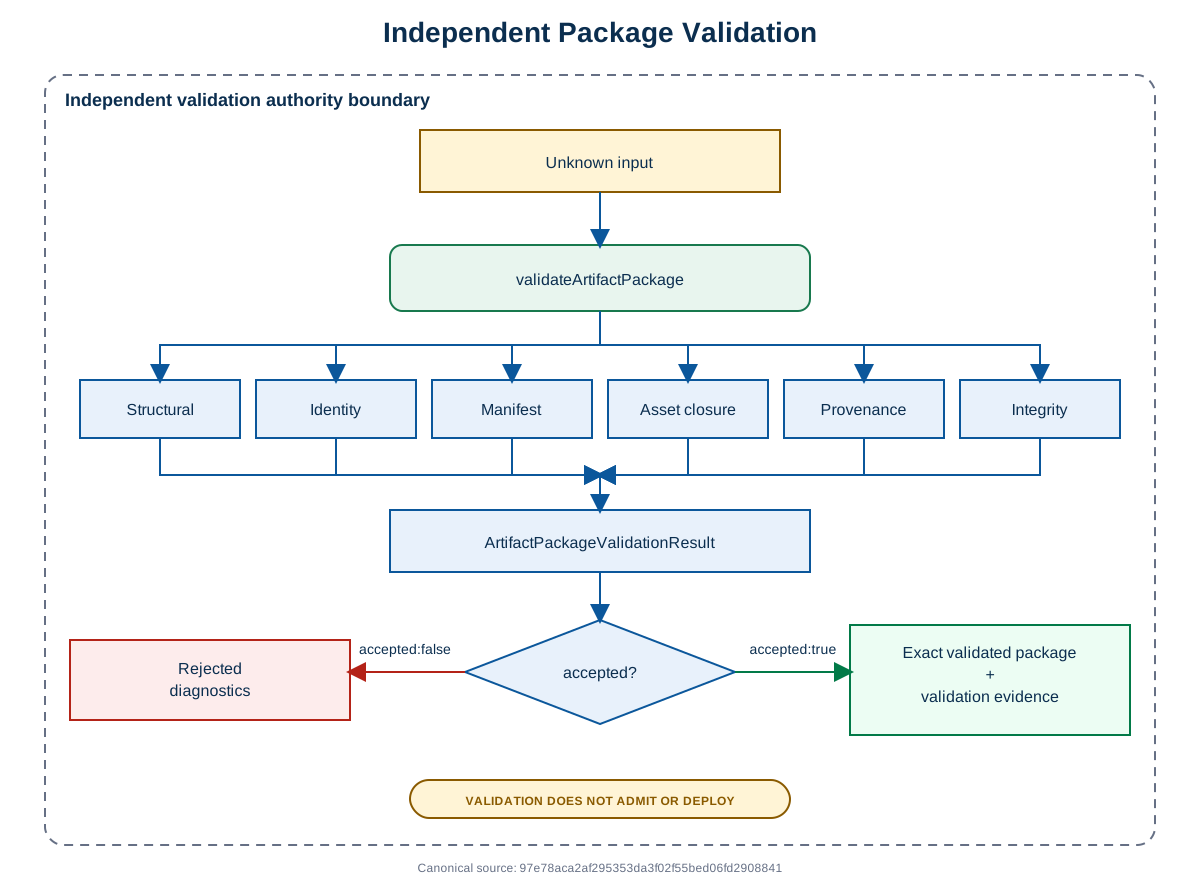
Governed package contracts and independent validation preserve package identity, provenance, integrity, and asset closure.
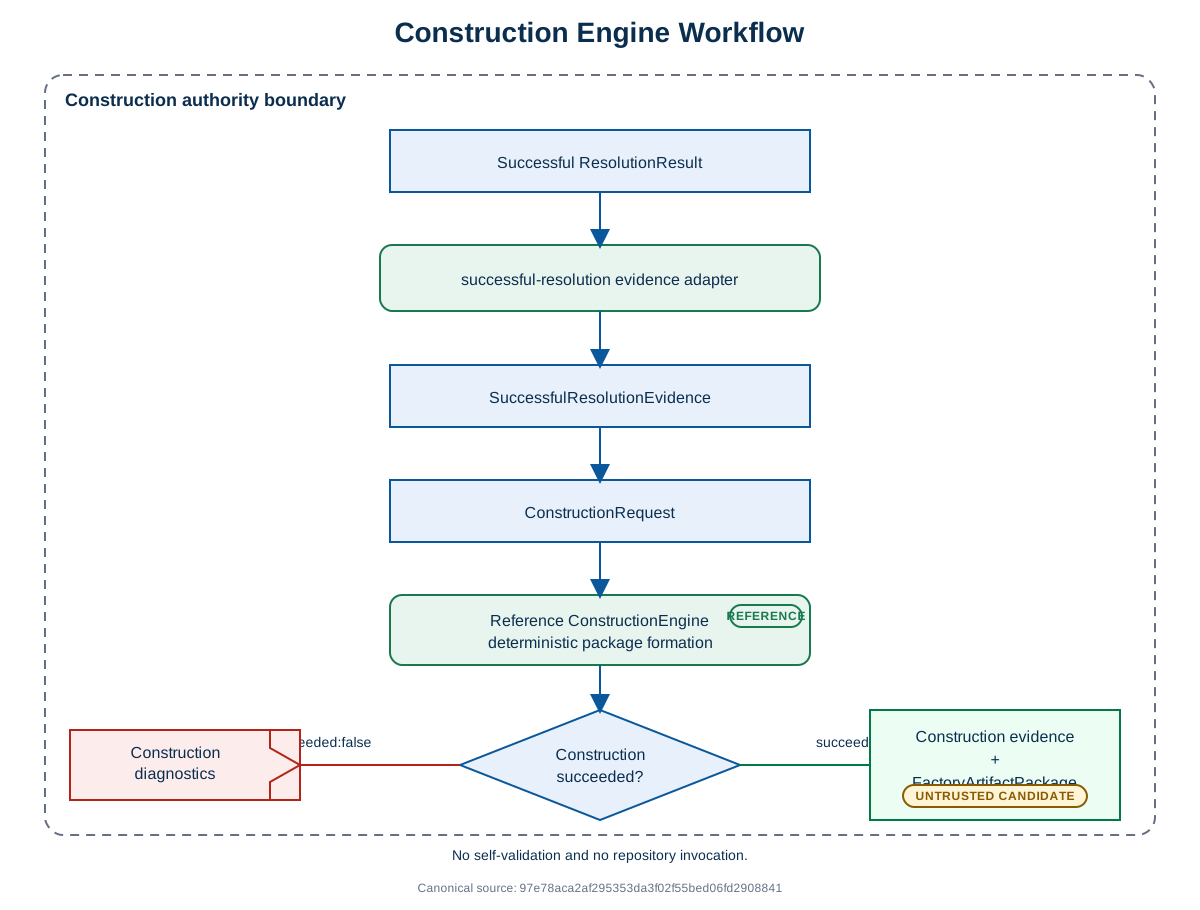
A deterministic reference construction engine transforms resolved intent into one untrusted package candidate.
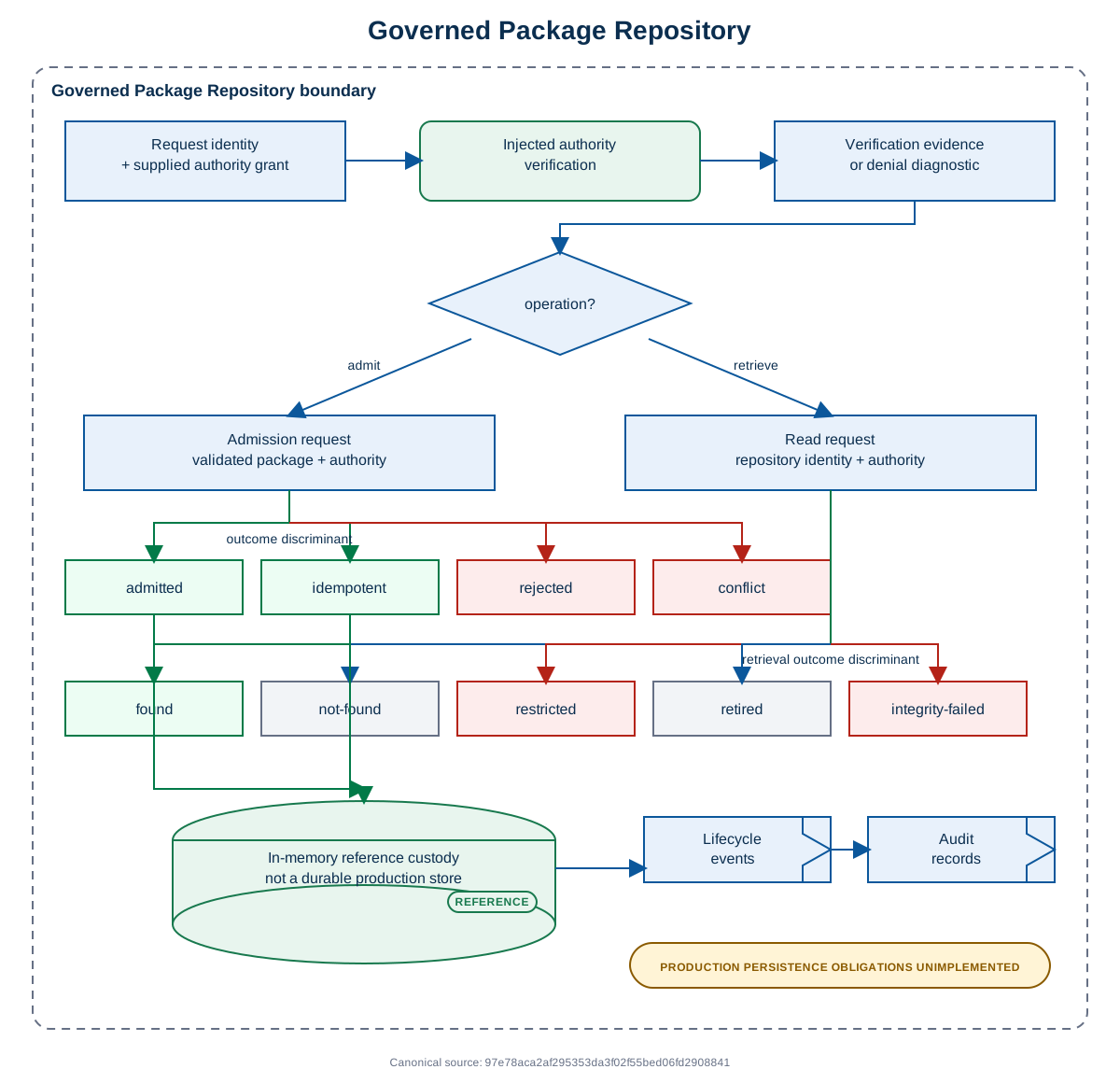
A deterministic in-memory reference repository demonstrates governed package admission, retrieval, lifecycle, and audit boundaries.
Canonical release evidence and eligibility contracts separate package validity, custody evidence, and release determination from execution authority.
A deterministic provider-neutral reference planner transforms exact governed inputs into a reviewable deployment plan and integrity evidence.
Canonical execution-authorization contracts bind reviewed plans, targets, principals, operations, conditions, and authority disposition without issuing provider authority.
Provider-specific realization remains a governed target-state boundary beneath provider-neutral Factory execution semantics.
Provisioning mutation remains planned and requires its own exact operation-specific authority.
Deployment mutation remains planned and cannot inherit authority from provisioning, planning, or eligibility.
Independent runtime verification remains planned and must observe deployed state without acquiring remediation authority.
Operational observation and intelligence remain planned capabilities and do not imply autonomous remediation authority.
Defines platform intent through reusable blueprints, modules, capabilities, workflows, and governance rules.
Executes platform delivery through client requests, provisioning, generation, deployment, live operations, and governance activation.
Continuously improves platforms through signal collection, signal processing, AI decision intelligence, execution intelligence, and autonomous operations.
Canonical Architecture Workflows
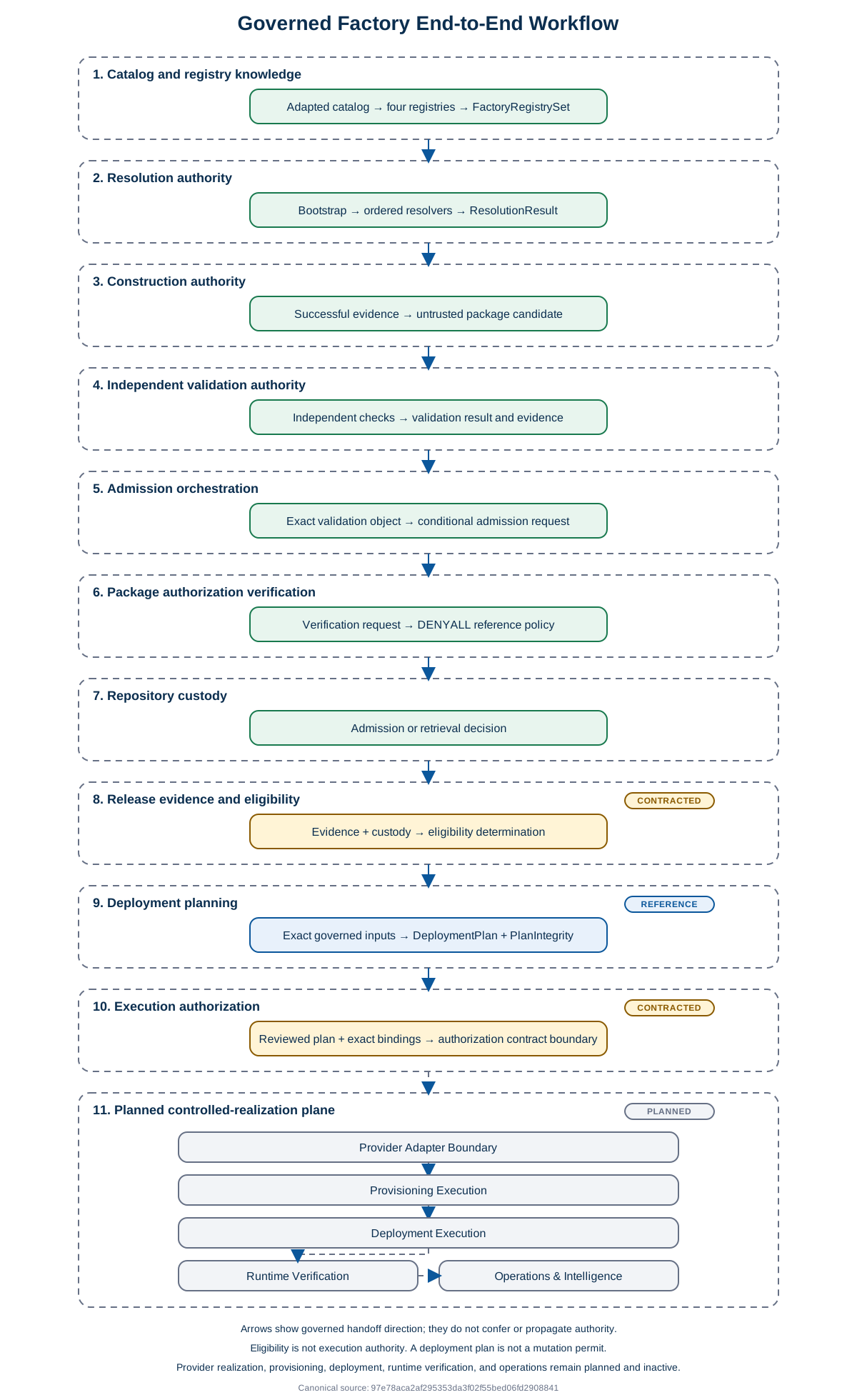
These curated views project canonical Factory diagrams into the Architecture surface without redefining their source authority. Diagram presence describes architectural structure; it does not declare capability maturity, release eligibility, or execution authority.
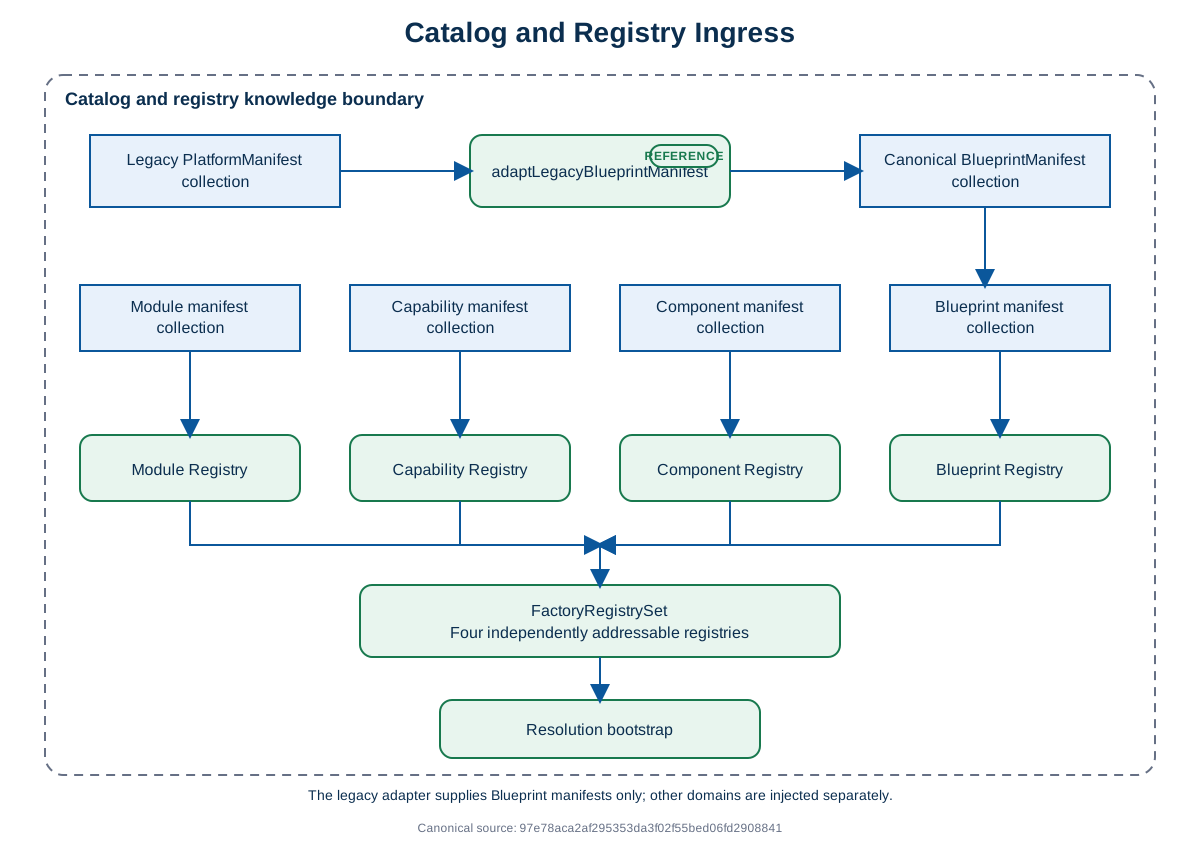
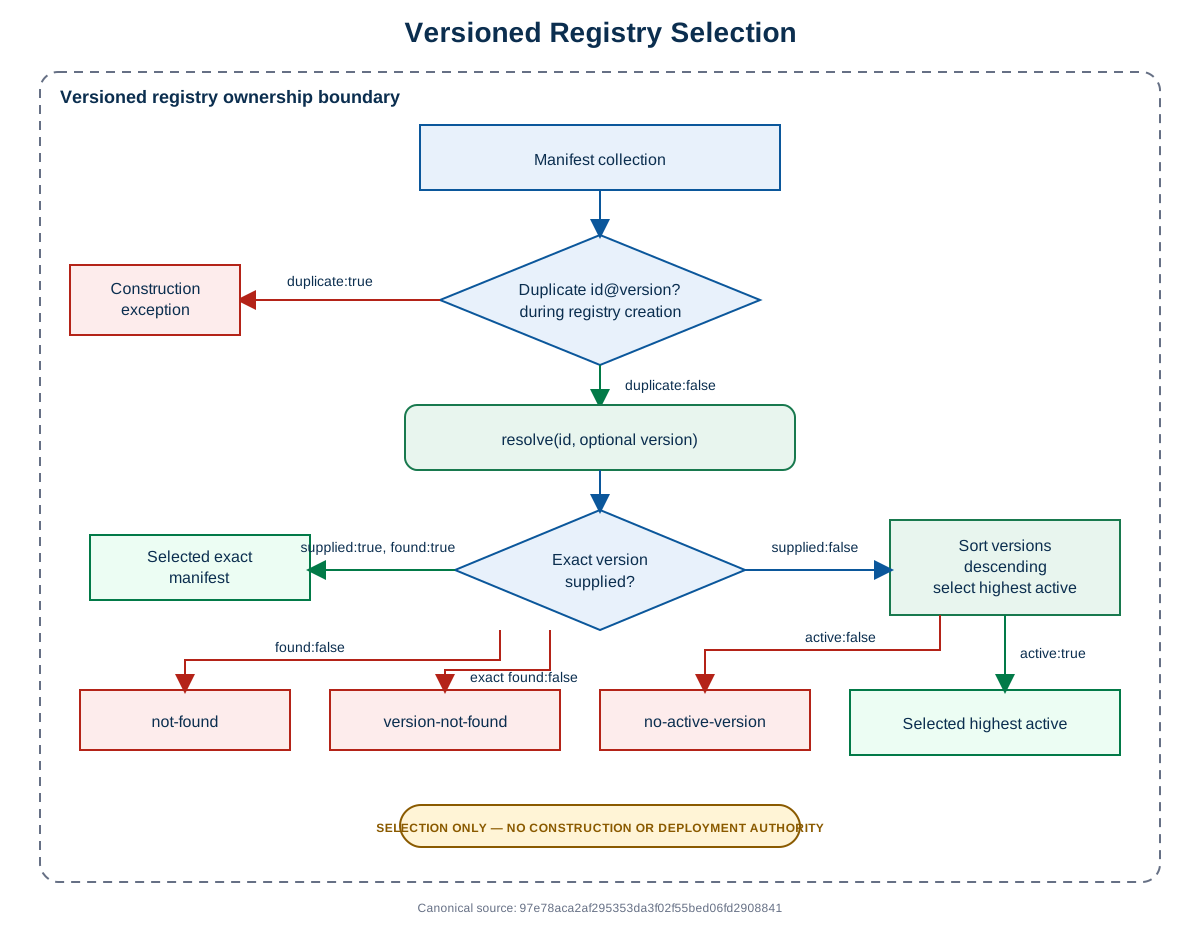
Canonical catalog, registry, and version-selection boundaries that transform declared intent into resolvable architectural inputs.
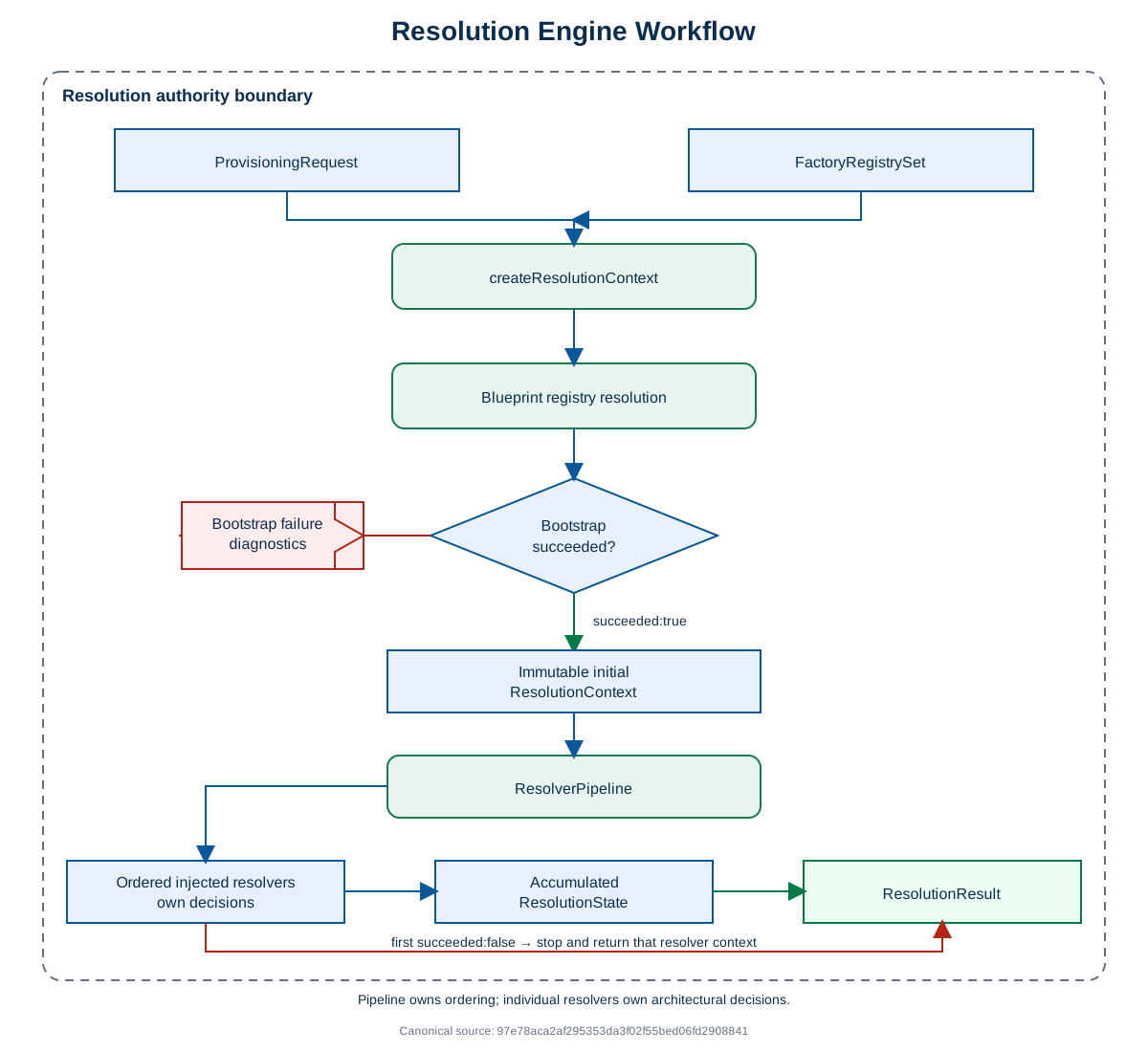
Deterministic resolution and controlled construction of governed package candidates from approved architectural intent.
Independent validation and governed custody boundaries that prevent constructed candidates from becoming trusted merely by construction.
The canonical end-to-end view of Blueprint Factory's governed platform-construction progression.
AI-Native Operating Model
The intelligence layer extends the Factory beyond traditional delivery. It collects platform signals, processes operational data, supports AI-assisted reasoning, and prepares platforms for recommendations, controlled execution, and future autonomous operations.